

Project Information
LIMITATION OF LIABILITY: The calculations provided by this tool are estimates based entirely on user-provided data. Vapco Products assumes no liability for inaccuracies resulting from incorrect measurements, system variations, or manual data entry errors. Always verify system volume and concentration with physical testing (Refractometer) prior to application.
1. System Volume Calculator
TOTAL ESTIMATED SYSTEM VOLUME
0 gal
2. Diagnostic: Refractometer Check
Freeze Point
--
Burst Point
--
Boiling Point
--
3. Concentration Adjustment
Existing System
New Fill (Empty)
PRO TIP: Before filling a new system, it is highly recommended to clean with Vapco Hydronic System Cleaner to remove factory oils and installation debris that can reduce efficiency.
*Check glycol percentage to ensure accuracy
RECOMMENDED DOSAGE
Enter Target %
4. System Design & Flow Rate
ENGINEERING ESTIMATE: Use this tool to determine required Flow Rate (GPM) and Chiller Tonnage based on heat load.
Typical: 1.15
REQUIRED FLOW
0 GPM
EST. CHILLER SIZE
0 Tons
--
Vapco Products: Custom Glycol Solutions
Arctic Protection HT-1
NSF Food Safe Propylene
Ex: APHT-55-95
Arctic Protection
Standard Propylene
Ex: AP-55-95
Ethylene Glycol
Industrial Grade
Ex: EG-55-95
BULK TANKER DELIVERY AVAILABLE (4,000+ GAL)
Stock Items (95% & 70% AP): Ships in 24-48 Hours
Custom Blends: Ships 48-96 Hours after PO
Bulk Tankers: 21-Day Lead Time Required
Custom Blends: Ships 48-96 Hours after PO
Bulk Tankers: 21-Day Lead Time Required
FOR AN ACCURATE QUOTE, PLEASE PROVIDE:
- Ship-to Zip Code
- Total Volume (Gallons)
- Type of Glycol (HT-1, AP, EG)
- Desired Percentage (%)
- Container Size (5, 55, 275, or Tanker)
- Color Preference (Optional)
INHIBITOR NOTICE: Vapco utilizes a proprietary inhibitor package formulated in-house. All Vapco Glycol ships with this standard protection unless otherwise requested. Vapco Products assumes no liability for systems where inhibitors are requested to be omitted or where system monitoring and maintenance are not performed in accordance with industry best practices.
Glycol Technical Resources
Compliance & Cost
How to choose between NSF Food-Safe vs. Industrial Propylene Glycol for specific HVACR environments.
Why Inhibitors Matter
Critical protection tips for winter prep and why untreated glycol can be more corrosive than water.
System Cleaning Guide
Step-by-step instructions for flushing and cleaning hydronic loops before adding new glycol.
Optimizing HVAC Systems
Exploring how the right glycol blend protects components and optimizes heat transfer efficiency.
Glycol for Pros: Top 5 FAQs
The most common questions on concentration levels, refractometer testing, and using pre-mixed solutions vs. concentrates.
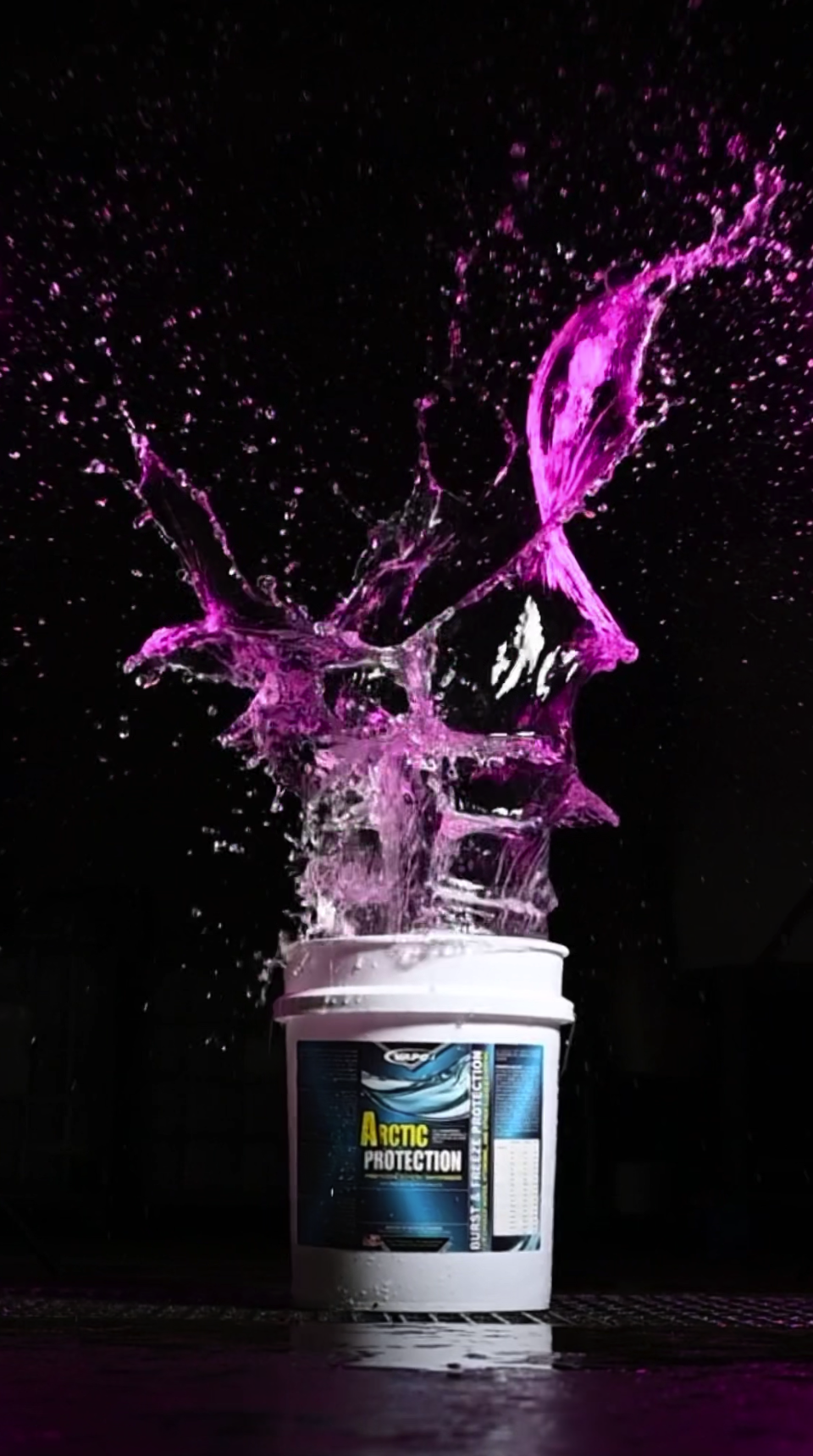
View All Glycol & Hydronic Fluids
View full category: Propylene, Ethylene, and Specialty Blends
Essential Glycol Support Products
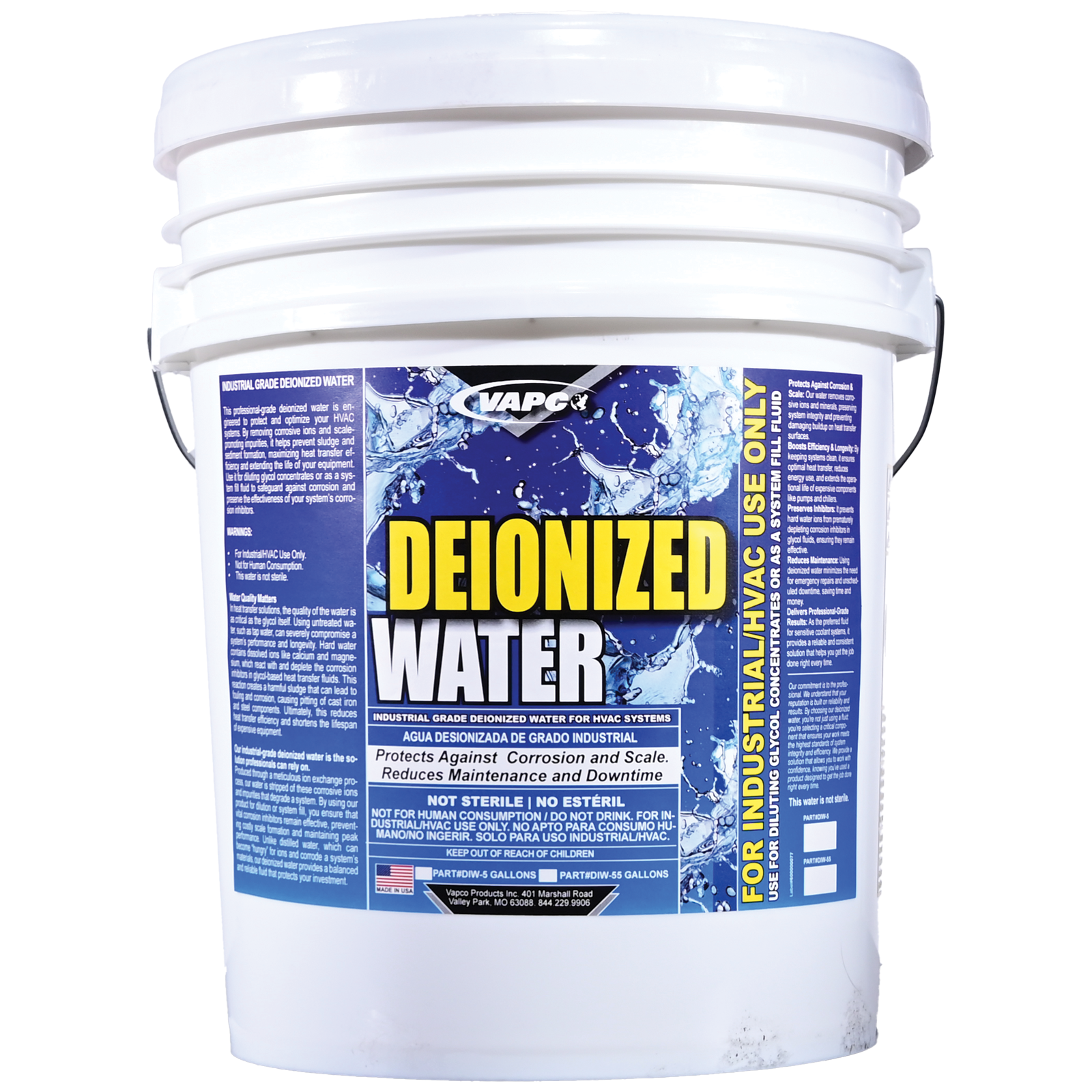
DILUTION FLUID
Deionized Water (DI)
High-purity water essential for diluting glycol concentrates without introducing scale-causing minerals.
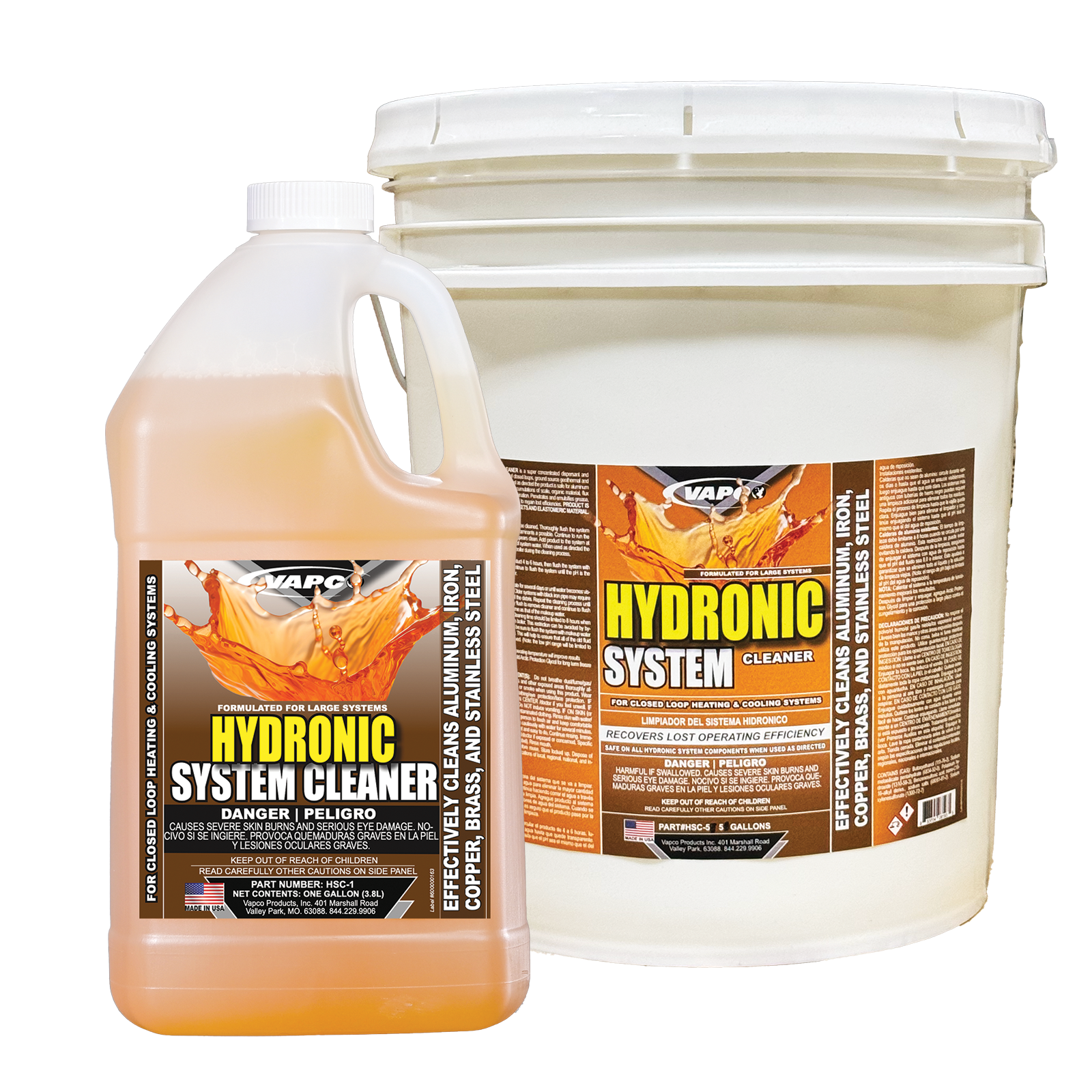
PRE-FILL FLUSH
Hydronic System Cleaner
Removes oils, grease, and installation debris from new or retrofitted loops before filling.
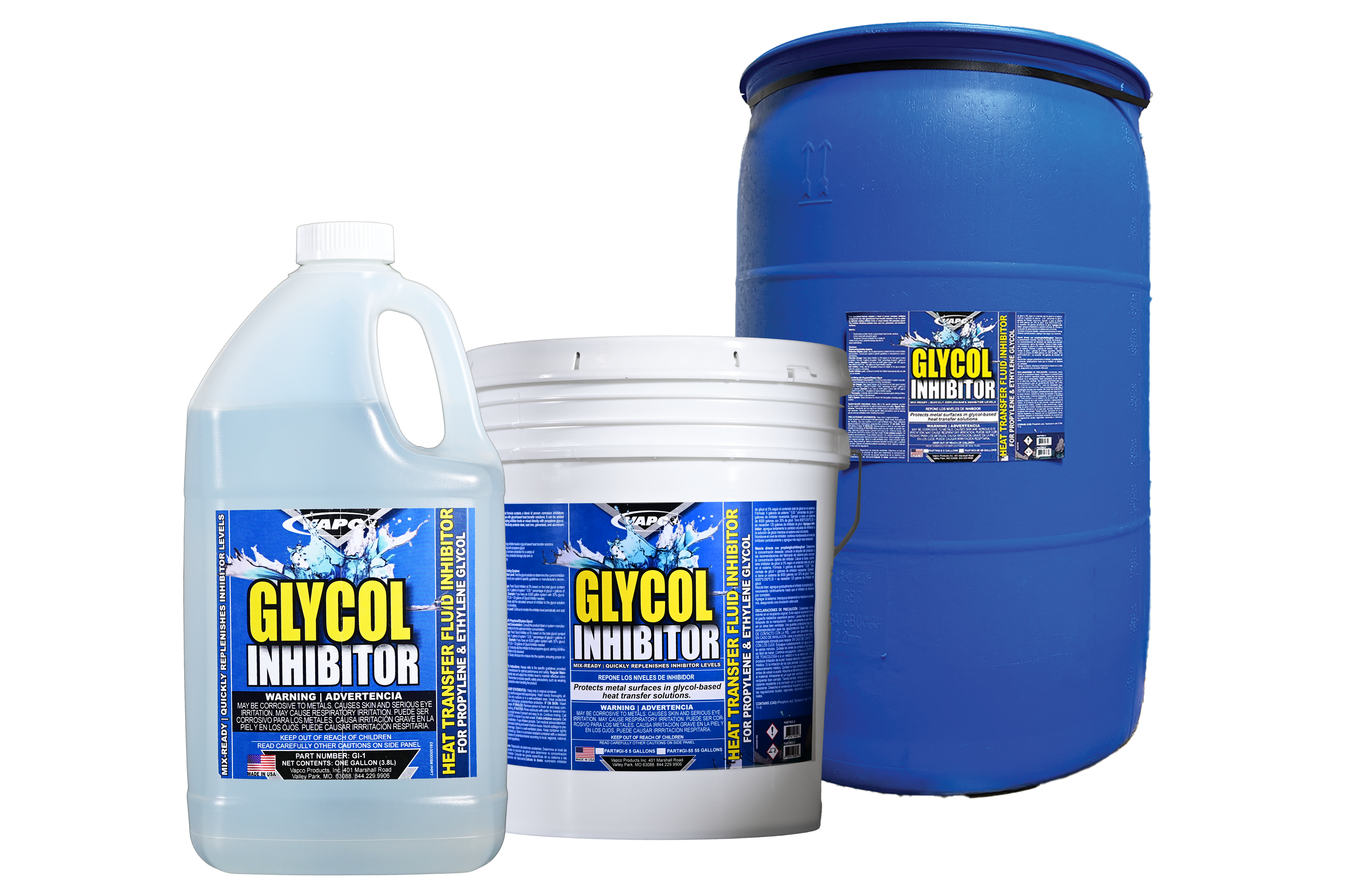
MAINTENANCE
Glycol Inhibitor
Recharges the corrosion protection package in aging glycol systems to extend fluid life.