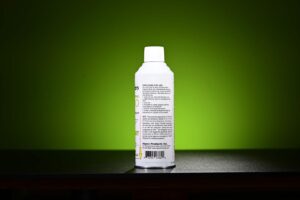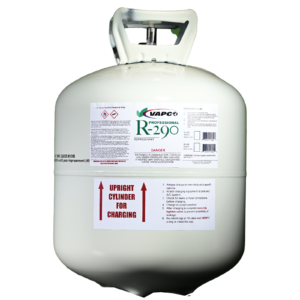
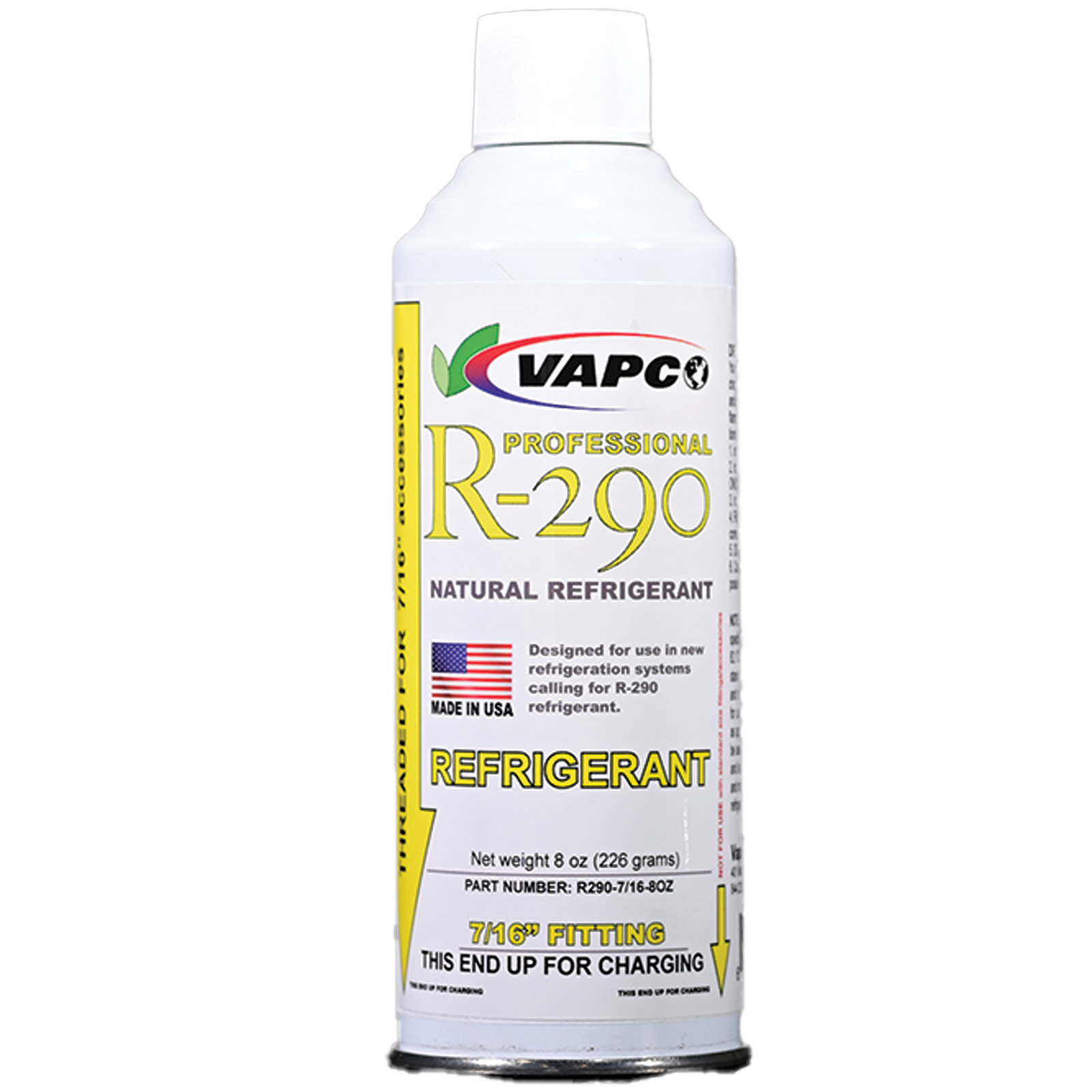
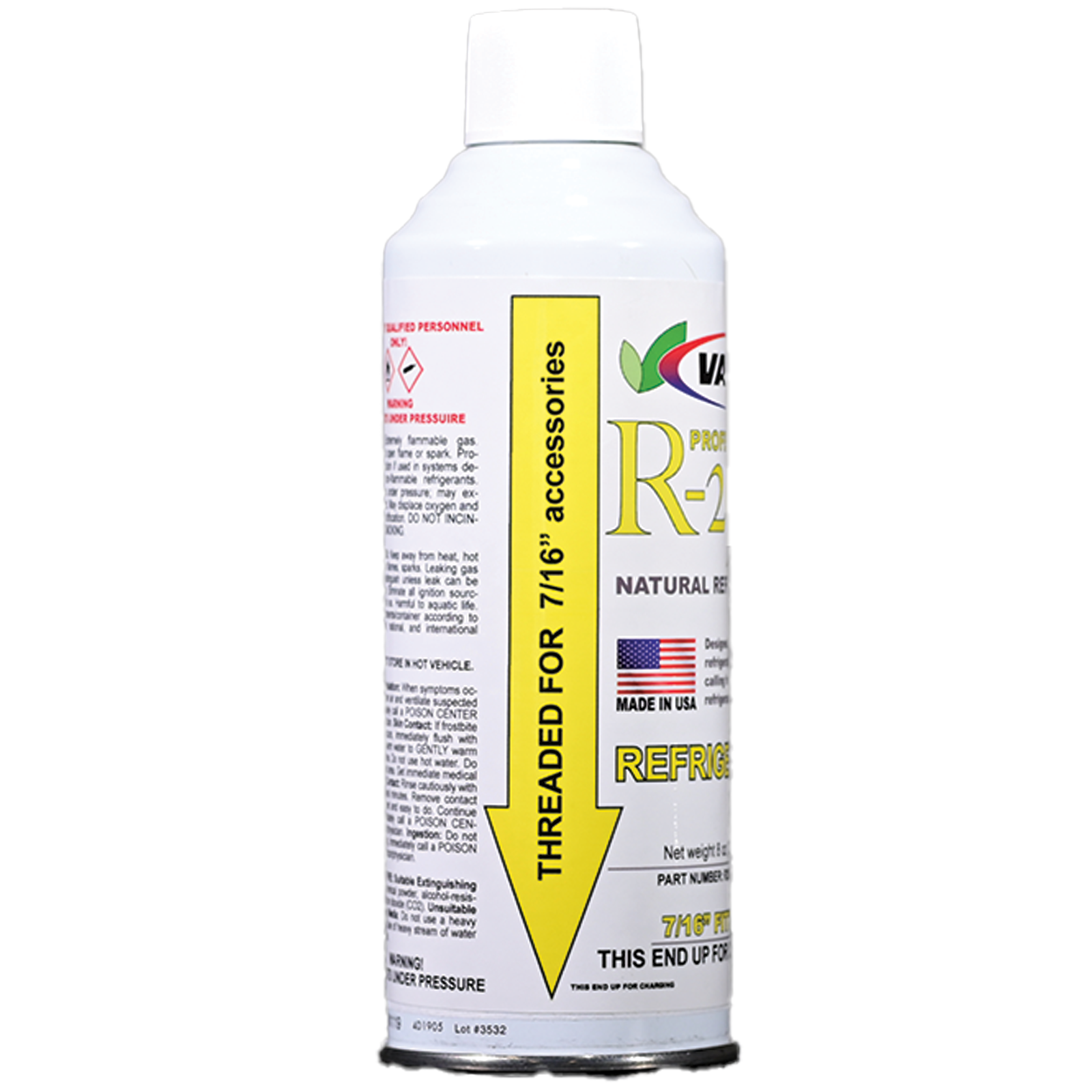
R-290 Refrigerant 7/16” Fitting R290-7/16-8OZ

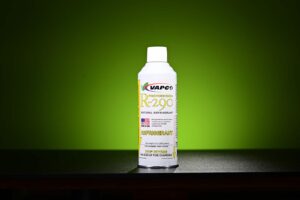
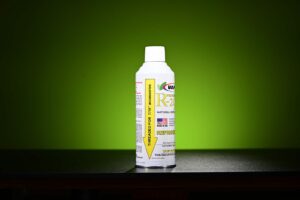
Vapco’s Professional R-290 is an ultra-high purity, refrigerant-grade propane, presented in a premium resealable canister with a 7/16″ fitting. This design offers technicians unparalleled control, allowing for precise, by-weight charging and the ability to save unused refrigerant, minimizing waste and improving job site efficiency. Certified to meet the rigorous AHRI 700 standard, this EPA SNAP-approved hydrocarbon refrigerant features an ultra-low GWP of 3, making it the superior choice for servicing modern, sustainable refrigeration systems built specifically for R-290.

R-290 REFRIGERANT 7/16″ Resealable Can

High-Performance and Environmentally Friendly

PROFESSIONAL R-290 REFRIGERANT: elevate your servicing precision with the refrigerant can designed for the modern technician. Our resealable R-290 canister eliminates the need to dispose of partially used cans, providing cost savings and environmental benefits. The 99.5%+ pure, non-odorized refrigerant ensures system integrity, while the professional 7/16″ fitting is engineered for seamless integration with tools like the Vapco 7/16″ actuator and leading aftermarket charging scales. This empowers technicians to perform OEM-spec charging with confidence on today’s high-efficiency Residential Refrigerators and Freezers, Wine Coolers, Beverage Centers, and Kegerators Stand-alone Ice Makers, Compact / Under-counter Refrigerators, Commercial Reach-in Coolers and Display Cases, Restaurant Prep Tables and Underbar Coolers, Portable Air Conditioners, and more.

Key Features and Benefits:

  • Resealable Canister Design: Reduces refrigerant waste and allows for multiple uses from a single can, maximizing value and convenience.
  • Professional 7/16″ Fitting: Ensures a secure, reliable connection with compatible service tools, including the Vapco 7/16″ actuator, for precise control.
  • Meets AHRI 700 Purity Standard: Guarantees a minimum 99.5% purity level for optimal system performance, compressor longevity, and consistent results.
  • Ultra-Low GWP of 3: An environmentally responsible solution that complies with all current F-Gas and AIM Act regulations.
  • Zero Ozone Depletion Potential (ODP): Completely safe for the ozone layer.
  • Enhanced Energy Efficiency: Superior thermodynamic properties help reduce system energy consumption and improve cooling performance.
  • For R-290 Designed Systems Only: The professional standard for charging new equipment built specifically for R-290. NEVER use to retrofit or “top-off” a system designed for HFCs like R-404A.
  • Scale and Actuator Compatible: Designed for use with digital charging scales to ensure accurate, by-weight charging as required by equipment manufacturers.

Part Number

  • R290-7/16-8OZ                        8 oz aerosol 12/cs
  • ACCESSORIES FOR 7/16″ RESEALABLE TOP CAN
    • RCT-7/16                           7/16″ Refrigerant Can Tap – 1ea
    • RCT-7/16-X12                  7/16″ Refrigerant Can Tap – 12/cs
Professional Application Protocol (For Certified Technicians Only)

WARNING: R-290 is a flammable refrigerant (ASHRAE A3 Safety Class). To be used by qualified and certified HVAC/R technicians only. Follow all OEM service procedures and safety precautions.

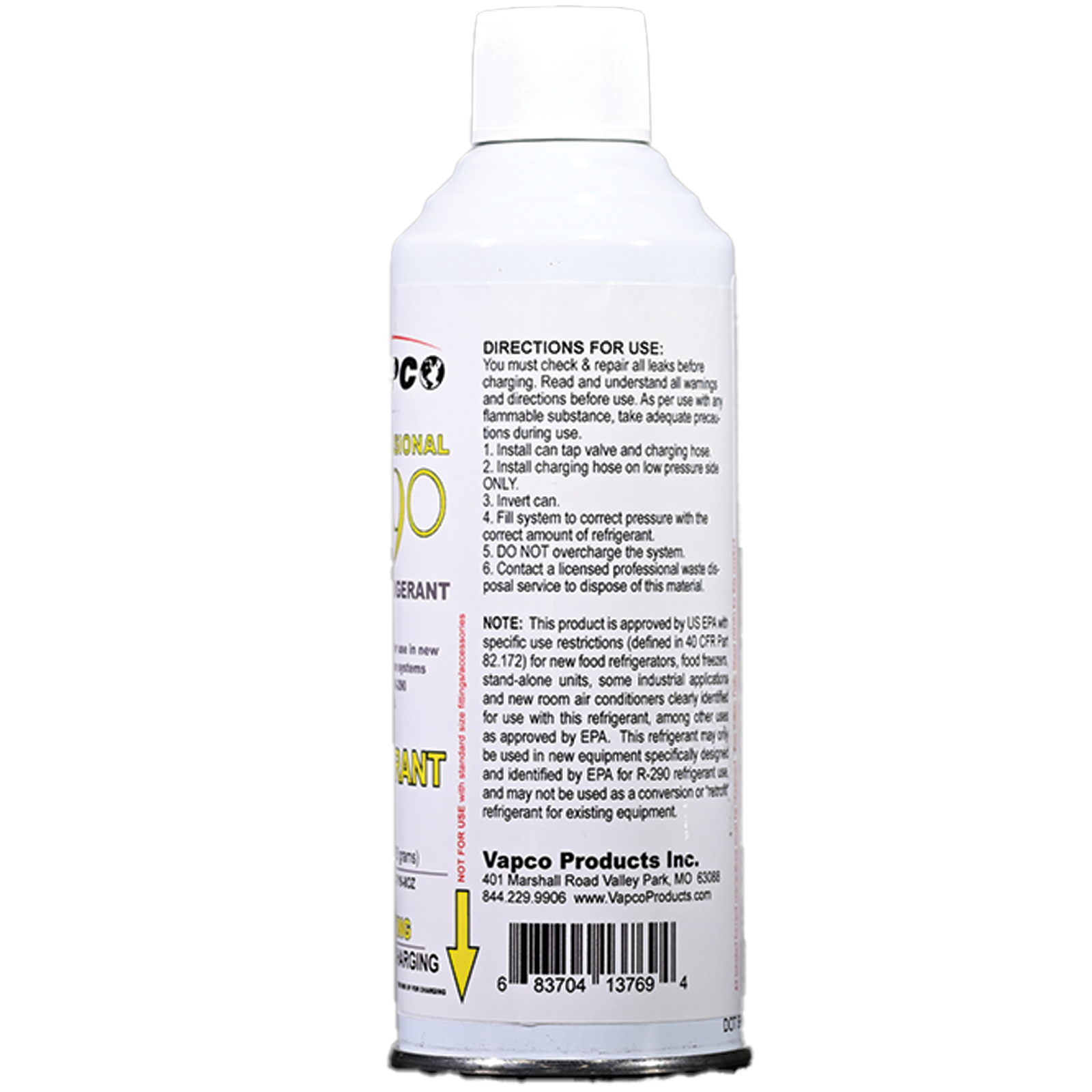
  1. Safety First: Ensure the system is powered off and locked out. Work in a well-ventilated area, eliminate all potential ignition sources, and wear appropriate Personal Protective Equipment (PPE), including safety glasses and gloves.
  2. Tool & Equipment Check: Use only tools and equipment specifically rated for use with hydrocarbon refrigerants (e.g., hydrocarbon-rated recovery machine, non-sparking hand tools, proper ventilation fans).
  3. System Access: Connect a hydrocarbon-rated can tap valve and charging hose to the R-290 service can.
  4. Connect to System: Attach the charging hose to the low-pressure service port of the refrigeration system. Purge the air from the charging line.
  5. Charge with Precision: Invert the can to charge as a liquid. Accurately charge the system by weight based on the manufacturer’s specified charge amount. DO NOT charge by pressure or sight glass.
  6. Avoid Overcharging: R-290 systems require a significantly smaller charge weight than HFC systems. Overcharging will lead to poor performance and create a safety hazard.
  7. Leak Check & Disposal: After charging, perform a thorough leak check. Use a hydrocarbon-specific electronic leak detector to scan the system for potential leaks. To visually confirm and pinpoint the exact source, apply Vapco’s Bird Dog liquid leak detector to all joints and fittings. Once the system is confirmed to be leak-free, unscrew your service tool; the canister’s resealable top will preserve the remaining refrigerant for future use. Store the canister in a cool, well-ventilated area away from ignition sources.
 

Contact Us

News and Updates

Subscribe on Youtube

Follow Us on Facebook 

SDS

R-290 REFRIGERANT SDS – Download

Safety Data Sheet – R-290

Identification & Supplier Details

1.1 GHS Product Identifier
Product Name R-290
Product Number(s) R290-8OZ, R290-7/16-8OZ, R290-12LB, R290-20LB, R290-30LB
Brand Vapco
Recommended Use Refrigerant
1.4 Supplier’s Details
Name Vapco Products, Inc.
Address 401 Marshall Road, Valley Park, Missouri 63088, United States
Telephone (636) 923-2121
Fax (636) 923-3002
Email [email protected]
Emergency Phone Number (800) 255-3924

Hazard Identification & Composition

2.1 Classification & 2.2 GHS Label Elements
GHS Classification Flammable gases, Cat. 1
Gases under pressure, liquefied gas
Signal Word Danger
Pictograms
Hazard Statement(s) H220: Extremely flammable gas
H280: Contains gas under pressure; may explode if heated
— May displace oxygen and cause rapid suffocation
Precautionary Statement(s) P210: Keep away from heat/sparks/open flames/hot surfaces. No smoking.
P377: Leaking gas fire: Do not extinguish, unless leak can be stopped safely.
P381: Eliminate all ignition sources if safe to do so.
P403: Store in a well-ventilated place.
P410+P403: Protect from sunlight. Store in a well-ventilated place.
3.2 Hazardous Components (Mixtures)
Chemical Name CAS No. EC No. Concentration
LPG (liquified petroleum gas) 68476-85-7 270-704-2 100 % (weight)

Physical & Chemical Properties

Physical State Gas (Liquified gas)
Appearance / Color Clear, colorless gas
Odor Odorless
Melting Point/Freezing Point -152°C (305°F)
Boiling Point -47 °C (52°F)
Flammability Extremely flammable aerosol
Lower/Upper Explosion Limit 2.15% – 9.60%
Auto-ignition Temperature 467°C (873°F)
pH / Solubility / Flash Point N/A / N/A / N/D
Vapor Pressure 862 kPa (125 psi) at 22°C (70°F)
Density and/or Relative Density 0.5066
Relative Vapor Density 1.52 at 20°C

Stability & Reactivity

Reactivity Contains gas under pressure; may explode if heated. Reacts with oxidants causing fire/explosion hazard.
Chemical Stability Stable under recommended handling and storage conditions.
Possibility of Hazardous Reactions Hazardous polymerization will not occur.
Conditions to Avoid Direct sunlight, extremely high or low temperatures, open flames, heat, sparks.
Incompatible Materials Heat, Strong oxidizers.
Hazardous Decomposition Products Carbon oxides (CO, CO2).

Toxicological Information

Acute Toxicity (LPG) LC50 Inhalation – Rat – 658 mg/l – 4 hours
Primary Routes of Exposure Symptoms Inhalation: Asphyxiant gas (displacing oxygen).
Skin/Eye Contact: Refrigerated liquified gas may cause cold burns or frostbite.
Corrosion/Irritation/Sensitization Not classified.
Mutagenicity / Carcinogenicity / Repro. Toxicity Not classified.
STOT – Single/Repeated Exposure Not classified.

First-Aid Measures

General Advice Never give anything by mouth to an unconscious person. Seek medical advice (show label where possible).
If Inhaled Ensure own safety first, then remove to fresh air. Keep at rest. Get medical advice/attention.
In Case of Skin Contact Drench affected area with water for at least 15 minutes. Remove contaminated clothing. For frostbite, gently warm affected area with lukewarm water. Do not use hot water. Do not rub.
In Case of Eye Contact Rinse with water for at least 15 minutes. Remove contact lenses. Continue rinsing. Obtain medical attention if irritation persists.
If Swallowed Rinse mouth. Do NOT induce vomiting. Obtain medical attention.
Immediate Medical Attention Get medical advice and attention if exposed or concerned. Have product container or label at hand.

Fire-Fighting & Accidental Release Measures

5. Fire-fighting Measures
Suitable Extinguishing Media Dry chemical powder, alcohol-resistant foam, carbon dioxide (CO2). Unsuitable: Heavy water stream.
Specific Hazards Fire/Explosion: Extremely flammable gas. Container may explode if heated. Vapors are heavier than air.
Firefighting Instructions Do NOT fight fire when fire reaches containers. Evacuate area. Fight fire remotely due to explosion risk. Shut off ignition sources. Use water to cool exposed containers.
Protective Equipment Wear NIOSH-approved Self-Contained Breathing Apparatus (SCBA) with full body protective clothing.
6. Accidental Release Measures
Personal Precautions (Emergency) Eliminate ignition sources first. Ventilate area. Evacuate unnecessary personnel and secure the area.
Environmental Precautions Prevent entry to sewers and public waters. Avoid release to the environment.
Methods for Cleaning Up Stop leak if safe to do so. Isolate area until gas has dispersed. Consider water spray to disperse vapors. Ventilate and gas test area before entering.

Handling, Storage & PPE

7. Handling and Storage
Precautions for Safe Handling Avoid contact with skin/eyes. Do not breathe gas/vapors. Do not spray on open flame or ignition source. Proper grounding procedures are required. Ruptured cylinders may rocket.
Conditions for Safe Storage Store in a dry, cool, well-ventilated place away from ignition sources. Protect from sunlight. Do not expose to temperatures exceeding 50°C/122°F. Store locked up.
Incompatible Materials Heat sources. Oxidizers.
8. Exposure Controls / Personal Protection (PPE)
Exposure Limits (LPG) TWA (Inhalation): 1000 ppm (OSHA, NIOSH, Cal/OSHA, AU/SWA)
Engineering Controls Ensure adequate ventilation (especially in confined areas). Use explosion-proof equipment. Proper grounding.
Eye/Face Protection Chemical safety goggles.
Skin/Body Protection Wear protective gloves, suitable protective clothing, and fire/flame resistant/retardant clothing.
Respiratory Protection Use a NIOSH-approved Self-Containing Breathing Apparatus (SCBA) whenever exposure may exceed limits.

Transport & Regulatory Information

14. Transport Information (DOT, IMDG, IATA)
Regulation UN Number Class Proper Shipping Name
DOT (US), IMDG, IATA UN1075 2.1 Petroleum gases, liquefied or Liquefied petroleum gas
15. Regulatory Information (US State/Federal)
State Right To Know (MA, NJ, PA) Components are listed for LIQUEFIED PETROLEUM GAS (CAS: 68476-85-7).
SARA 311/312 Hazards Acute Health Hazard, Fire Hazard, Sudden Release of Pressure Hazard.
US EPA TSCA Inventory LPG (liquified petroleum gas) CAS: 68476-85-7 is listed.

Disposal & Ecological Information

12. Ecological Information
Toxicity Harmful to aquatic life.
Persistence and Degradability Not classified.
Bioaccumulative Potential R-290 Log Pow <1; Petroleum gases, liquified Log Pow 2.3.
13. Disposal Considerations
Product Disposal Dispose of contents/container in accordance with local, regional, national, and international regulations. Do not pierce or burn, even after use.
Waste Treatment / Classification Material is hazardous waste according to federal regulations (U.S. EPA 40CFR 261). Product should be fully characterized prior to disposal.

Disclaimer & Preparation Information

Disclaimer (Section 16.1) Information is accurate to the best of our knowledge, but no assumption of liability or warranty is made for its accuracy, completeness, or suitability. The user is responsible for final determination and full compliance with all regulations.
Preparation Information (Section 16.2) Prepared by: Jessica Wilson
Date prepared: 11-26-2025
Legend N/A = Not applicable; N/D = Not determined


Studio Photos